Scotland has a proud tradition of adapting to its natural landscape, and the latest eco-friendly development in East Lothian takes this one step further.
The small, purpose-built community emerging on the edge of Macmerry is a bold example of how housing can evolve to meet both human and environmental needs. Nestled between open countryside and excellent transport links, the new houses in Macmerry Scotland are not simply homes — they represent a shift in how developers and residents alike think about modern living.
Building with Nature, Not Against It
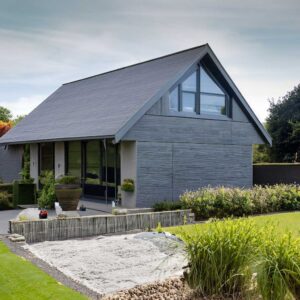
Unlike many large-scale builds, this limited collection of homes has been designed to respect its surroundings. Architects and builders have worked hand in hand to use natural materials that echo the tones and textures of the East Lothian landscape. Locally sourced stone, sustainably managed timber, and energy-efficient glazing all contribute to a low-impact footprint — but it’s the overall design philosophy that makes this project remarkable.
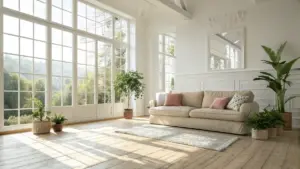
The homes are positioned to maximise natural sunlight, reducing reliance on artificial lighting and heating. Green roofs and rainwater harvesting systems help manage surface water while supporting biodiversity. These small but crucial design features reflect a deep understanding that living sustainably means working with the environment, not attempting to dominate it.
Energy Efficiency Meets Everyday Practicality
For homeowners, sustainability cannot come at the expense of comfort or practicality. That’s why each property in this development integrates high-performance insulation, air-source heat pumps, and smart home technologies. Residents can monitor and manage their energy usage in real time, cutting costs while reducing carbon emissions.
It’s this attention to the lived experience that makes the Macmerry scheme stand out. The homes are designed for real families — with generous communal spaces, private gardens that encourage home growing, and electric vehicle charging points that anticipate future needs. Every element has been considered to make greener living both realistic and rewarding.
The Power of Smaller-Scale Design
One of the most distinguishing features of this project is its scale. Instead of expanding Macmerry with a sprawling estate, developers have deliberately kept the build small to preserve the area’s rural identity. This smaller footprint creates a closer, more connected community and prevents the strain often placed on local ecosystems and infrastructure by larger developments.
By avoiding overdevelopment, this project also promotes a concept gaining traction across the UK: “moderated growth”. It’s a mindful approach that recognises that the most sustainable step forward isn’t always bigger — sometimes, it’s simply better.
Community as a Cornerstone
Sustainability isn’t just about materials and technology; it’s also about people and how they live together. The layout of the development encourages social connection through shared green spaces, communal gardens, and pedestrian-friendly pathways. As residents come together to care for their surroundings, they build a culture of stewardship and mutual support — values central to intentional living.
Local schools, small businesses, and transport links are already part of the fabric of Macmerry. By integrating with existing village life rather than isolating itself, this development strengthens the community while offering new residents a meaningful way to belong.
A Vision for the Future of Housing
If these new homes represent a glimpse of the future, then that future looks refreshingly balanced — one that values connection, conservation, and conscious design. The development at Macmerry proves that environmental responsibility and contemporary comfort can go hand in hand.
At a time when sustainable housing is often discussed in lofty terms, this project delivers something far more tangible: homes that live lightly on the land yet offer a deeply rooted sense of place. It’s an inspiring model for other small towns and villages across Scotland — showing that even modest developments can drive meaningful change when they are guided by purpose.
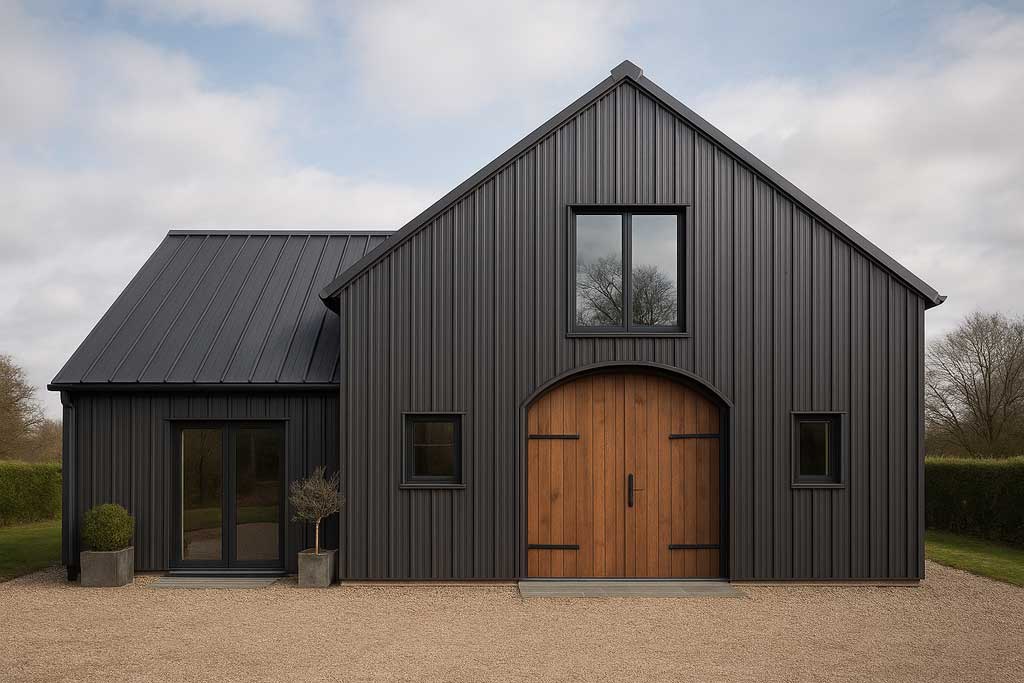
Featured image credit: AI generated.